Which Household Appliances Need Backup Power the Most?
Power interruptions can occur unexpectedly and disrupt more than just convenience inside a home. Many everyday systems rely on electricity to protect health, preserve property, and maintain basic safety. When planning for backup power, understanding which appliances truly matter most can help families make informed and practical decisions. Prioritizing critical devices ensures limited backup capacity is used where it has the greatest impact. In this article, the household appliances that deserve the highest priority during outages and the reasons they are essential are explained.
1. Life-Sustaining Medical Devices
Equipment that directly supports breathing or vital functions
Medical equipment that supports breathing or other vital body functions must be at the top of any backup power list, especially when relying on a solar power generator during outages or emergencies. Devices such as oxygen concentrators, ventilators, and CPAP machines operate continuously and cannot be safely paused for long periods. A loss of power to these tools can quickly turn into a serious medical situation, making a dependable solar power generator an essential solution. Ensuring these devices remain powered provides peace of mind and critical protection for vulnerable individuals. Backup planning for medical needs should always come before comfort or convenience appliances.
Devices with no manual alternatives
Some health-related equipment does not have a practical manual substitute. Automated medication pumps, mobility lifts, and certain monitoring systems depend entirely on electricity. Without backup power, caregivers may struggle to provide the same level of support or monitoring. Reliable electricity allows these systems to function as intended, reducing risk and stress. Identifying devices that lack alternatives helps households set clear priorities during emergencies.
2. Prevent Property Damage
Sump pumps to prevent basement flooding
Sump pumps play a crucial role in homes prone to water intrusion, especially during heavy rain. When electricity fails, these pumps can stop working just as groundwater levels begin to rise. Flooding can damage foundations, flooring, stored belongings, and electrical systems. Providing backup power for a sump pump can prevent costly repairs and long-term structural problems. Protecting the home itself is an important part of outage preparedness.
Refrigeration to avoid food spoilage losses
Refrigerators and freezers protect a significant investment in groceries and prepared meals. Without power, perishable food can spoil quickly, leading to both financial loss and potential health risks. Maintaining safe temperatures helps preserve food quality and prevent waste. Backup electricity keeps cold storage running during extended outages. This simple priority can save households from replacing large amounts of food.
3. Enable Emergency Communication
Phones for calling emergency services
Communication becomes even more important when normal routines are disrupted. Mobile phones provide direct access to emergency services, family members, and community updates. Keeping phones charged ensures help can be requested if needed. Charging devices require very little electricity compared to major appliances, making them easy to support with backup power. Reliable communication is a basic but essential safety measure.
Internet for weather alerts and information
Internet access allows households to receive real-time information about weather conditions, service updates, and recovery efforts. Routers and modems typically use minimal power but provide significant value during outages. Staying informed helps families make better decisions and avoid unnecessary risks. Internet connectivity also supports communication through messaging apps and email when mobile networks are congested. Maintaining information flow improves overall preparedness and response.
See also: How Do Weather Extremes Affect Generator Reliability?
4. Maintain Basic Safety
Lighting to prevent accidents in darkness
Loss of lighting increases the risk of trips, falls, and other household accidents. Hallways, staircases, and entry points become difficult to navigate without proper illumination. Backup-powered lights provide visibility and make the home safer during nighttime outages. Even small LED lamps can significantly improve safety. Maintaining basic lighting is a simple but important priority.
Security systems to protect against intrusions
Security systems often rely on electricity for cameras, alarms, and monitoring equipment. During outages, inactive systems can leave homes feeling vulnerable. Backup power helps maintain surveillance and alarm functions. Visible security measures may also deter unwanted activity. Preserving home security contributes to both safety and peace of mind.
5. Support Vulnerable Family Members
Heating/cooling for infants and elderly
Temperature control becomes especially important for infants, older adults, and individuals with health conditions. Extreme cold or heat can quickly create unsafe living conditions. Even limited backup power for space heaters, fans, or small climate-control devices can help maintain safer temperatures. Supporting basic comfort in this way protects those who are most sensitive to environmental changes. Prioritizing climate needs for vulnerable family members is an essential planning step.
Medical monitoring equipment
Home medical monitoring devices track vital signs and provide early warnings of health changes. These systems often include electronic displays, sensors, and alert functions that rely on constant power. Losing access to monitoring data can delay responses to developing medical issues. Backup power ensures continued observation and timely alerts. This added layer of reliability supports better health management during outages.

Conclusion
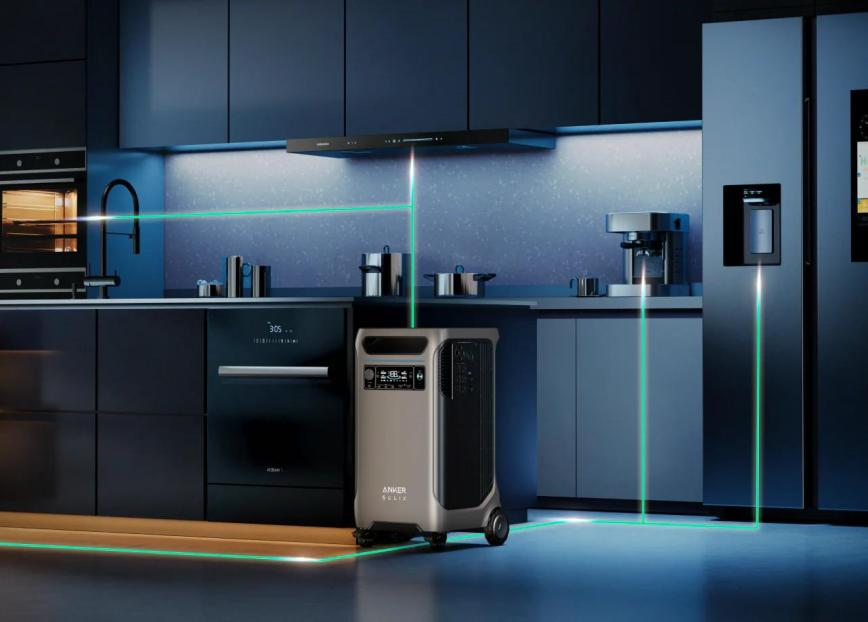
Preparing for outages involves focusing on appliances that protect health, safety, and property before considering convenience. Medical devices, communication tools, refrigeration, and basic lighting often provide the greatest benefit when backup power is limited. For households looking for a flexible way to support these priorities, portable solutions such as Anker SOLIX solar power generator offer strong output, expandable storage, and app-based energy monitoring that help match power supply to essential needs at home. Integrating adaptable backup systems into emergency planning makes it easier to keep critical appliances running while reducing stress during unexpected disruptions.