How Do Weather Extremes Affect Generator Reliability?
Weather instability tests the limits of every home energy system, including generators that homeowners rely on for backup power. Heatwaves, freezing temperatures, heavy storms, and long-duration outages introduce unique stress factors that influence how quickly a generator activates, how consistently it delivers power, and how safely it operates. While whole house generators are designed for demanding environments, performance varies based on electrical loads, system design, and environmental exposure. Modern hybrid systems such as the Anker SOLIX E10 with Power Dock enhance reliability by integrating battery storage, rapid switchover capability, and weather-resistant construction. To understand reliability fully, it helps to examine how different weather extremes push generators in different ways.
How Extreme Conditions Disrupt Backup Power Performance
High Heat Pushes Generators Into Overwork and Demands Strong Load Handling
Heatwaves create one of the toughest environments for household backup systems. Air conditioners cycle more frequently, surge loads spike, and interior temperatures rise quickly if power is lost. The generator must absorb these demands instantly without dipping voltage or delaying startup. In extreme heat, a generator’s true test is whether it can handle large motor loads such as central AC units. Systems with surge capacity and turbo output maintain comfort more consistently because they prevent the common delay where cooling systems fail to start. The E10 platform’s ability to start 5-ton units under high load reflects the importance of designing for heat spikes rather than average weather. When temperatures soar, reliable backup power ensures the home stays safe, medical equipment remains functional, and indoor living conditions do not deteriorate. Heat turns backup performance into a resilience requirement, not a convenience.
Freezing Weather Challenges Mechanical Components and Startup Speed
Cold conditions create the opposite stress pattern. Low temperatures slow mechanical movement, increase resistance in electrical components, and reduce efficiency in older generator models. Homeowners in northern regions often experience slower starts, higher fuel use, or inconsistent voltage during freezing events. What matters most in cold weather is whether the system activates rapidly and maintains stable output without warming periods. A ≤20ms switching system, such as the one used in the E10 platform, prevents cold-related hesitation by engaging battery power instantly while other components equalize. This eliminates common cold-weather frustrations like flickering lights, failing computers, or resetting appliances. In addition, weather-resistant housing protects the generator from snow accumulation or ice exposure. Because freezes often coincide with long-duration outages, reliable performance in low temperatures ensures pipes stay warm, heating systems remain operational, and critical household functions stay uninterrupted.
Heavy Storms Introduce Surges, Moisture, and Long Outages That Stress Every Component
Storms create a combination of challenges: falling branches, voltage surges, water exposure, and power interruptions that arrive unpredictably. Many whole house generators fail not because of load demand but because of environmental stress—moisture seeping into components, unstable wiring, or delayed startup caused by inconsistent incoming power. A generator must respond instantly when outages occur during storms, and it must remain safe when grid power returns. Power-return surges often occur after storm outages end, threatening appliances if the generator lacks appropriate shielding. Systems like the E10 integrate surge protection, which shields the home and prevents damage during unstable reconnection periods. Waterproofing and thermal protection also allow the system to operate outdoors without shelter, ensuring reliability even when the weather turns severe. Storms test total system resilience rather than raw power, making integrated protection essential.
Why Hybrid Systems Perform Better in Harsh Weather
Battery-First Activation Eliminates Weather-Related Slow Start Issues
Traditional generators often struggle when temperatures swing dramatically. Batteries, however, activate instantly regardless of weather. When a hybrid system uses battery power as the first line of response, the generator’s mechanical components avoid strain during startup. This battery-first approach ensures the home remains powered continuously while the smart generator prepares itself for longer-duty cycles. The E10’s seamless switching, powered by its battery module, removes the lag period that many homeowners associate with storms or freezes. It also prevents sensitive electronics from experiencing dropouts or resets. This hybrid reliability model protects household routines in all climates and significantly reduces the stress placed on older, mechanical-only systems.
Weatherproof Installation Options Protect Backup Systems From Environmental Damage
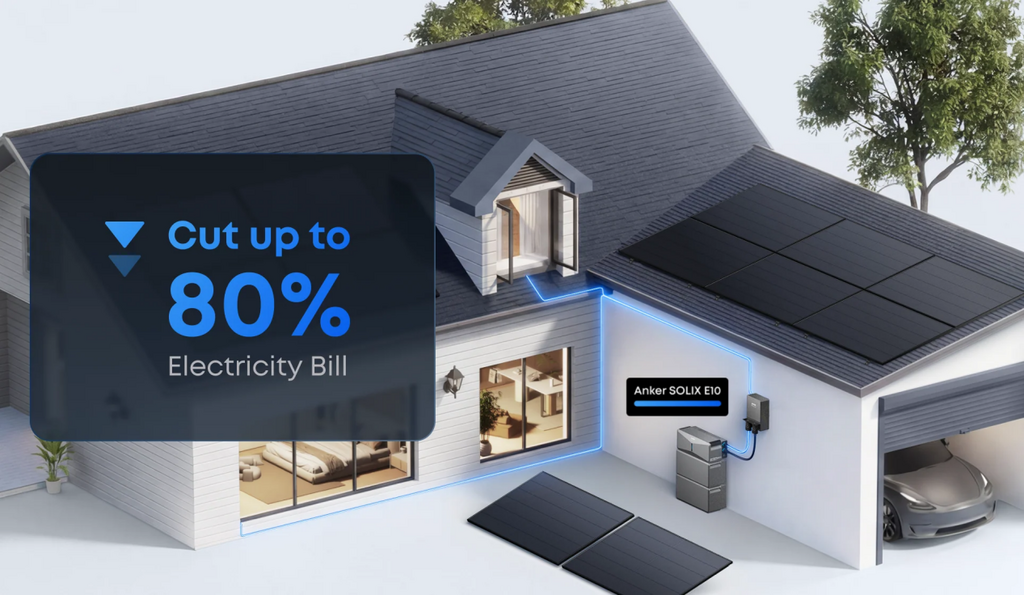
Resilience depends as much on installation as on technology. Coastal homes face salt exposure; mountain regions face snow loads; southern states face intense sun and heat. Systems that restrict installation flexibility often fail sooner under these conditions. The ability to mount the E10 system on walls in flood-prone areas or place it securely on the ground in dry regions demonstrates how environment-aware design improves reliability. Waterproofing and thermal protection allow homeowners to position the system where it performs best, not merely where it fits. This reduces the likelihood of storm damage, moisture intrusion, or overheating—three leading causes of generator failure during extreme events.
See also: How Technology Shapes Wireless Communication
Long Outages Become More Manageable Through Solar Support and Generator Synergy
Extended outages are common during hurricanes, winter storms, and regional grid failures. Conventional generators struggle with long durations because they rely solely on fuel, and supply often becomes scarce during emergencies. Hybrid systems extend backup duration through multiple pathways. Solar input reduces dependence on stored energy, and smart generator synergy ensures efficient fuel use when needed. The E10’s design allows homeowners to ride out multi-day outages with reduced consumption stress and without changing their normal routines. This multi-source resilience model matters most in regions with prolonged weather disruptions. Flexibility—not fuel alone—defines reliability.
Conclusion
Weather extremes reveal whether a generator is built for real-world environments or only for ideal conditions. Heatwaves test load capability, freezing temperatures challenge startup reliability, and storms expose the system to moisture, surges, and unpredictable outage patterns. Hybrid systems like the Anker SOLIX E10 with Power Dock address these challenges by combining instant battery activation, strong surge handling, weatherproof installation, and long-duration support. Instead of failing under pressure, they maintain home stability when weather becomes severe. By understanding how extreme conditions affect performance, homeowners can choose systems that protect comfort, safety, and continuity during any climate event.