How Do Campsite Conditions Affect Solar Panel Output?
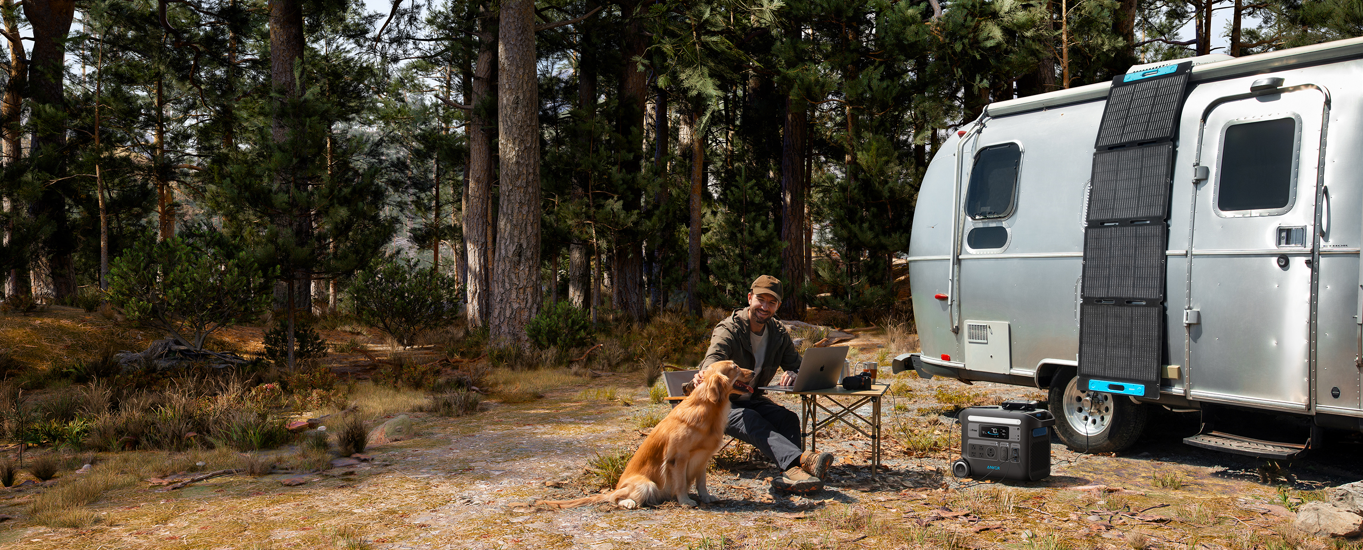
Campsite conditions directly influence how much power a portable solar panel can produce. The amount of sunlight you receive, the orientation you choose, and the surrounding landscape all determine how effectively a panel performs throughout the day. Campers who understand these factors make better decisions about where to place their gear and how to adjust for changing light. A portable model such as the Anker SOLIX PS200 Portable Solar Panel works well across varied environments because it folds easily, offers multiple angle settings, and withstands rough outdoor conditions without interrupting power collection. Knowing how campsite features shape solar output allows you to plan more reliable off-grid charging.
Key Campsite Factors That Influence Solar Performance
Sun Exposure Varies Across Different Landscapes
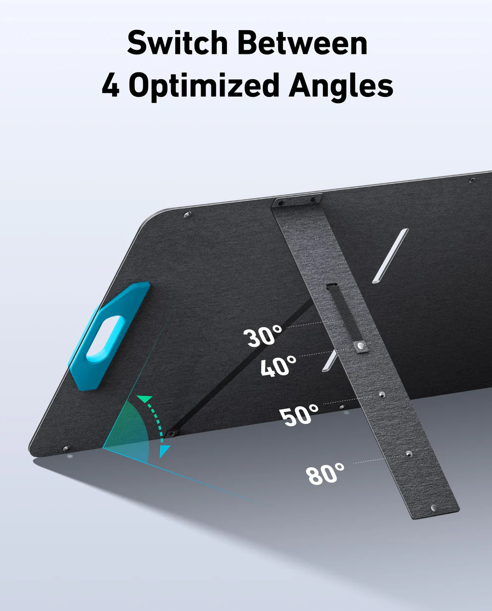
Every campsite offers a different relationship with sunlight. A location with open sky allows a solar panel to draw strong energy throughout the day, while narrow valleys, dense forests, and canyon edges reduce peak hours of direct light. Campers who evaluate sun paths before setting up gain more control over the panel’s performance. The Anker SOLIX PS200 Portable Solar Panel helps you respond effectively to these differences because its four adjustable angles—30°, 40°, 50°, and 80°—allow you to shift orientation as the day changes. When you pair angle adjustments with smart campsite selection, you increase the panel’s ability to generate consistent output and support devices such as lamps or mini fridges.
Shading From Trees and Tents Reduces Charging Strength
Shade is one of the most common barriers to strong solar collection during camping. Trees, tent poles, or even nearby gear create patches of shadow that cut into a panel’s potential. Campers often underestimate how much shade disrupts charging because even partial obstruction can cause noticeable output loss. The solution starts with a thoughtful setup. Keeping the panel in a clear zone away from tall structures allows sunlight to hit the surface evenly. The PS200’s long, unfolded design makes it easier to position across wider, sunnier surfaces. When you maintain a clean exposure path, the panel’s monocrystalline cells operate at their best, turning daylight into usable energy through high conversion efficiency.
Ground Conditions Affect Stability and Alignment
The ground beneath a solar panel influences how well it stays aligned with the sun. Loose sand, sloped dirt, or rocky patches may cause the panel to tilt incorrectly or shift during the day. Even small misalignments reduce output because the angle no longer matches the sun’s direction. Campers can correct this by choosing firm, level ground or by adjusting the panel’s built-in angle settings to compensate for uneven terrain. The Anker SOLIX PS200 simplifies the process because it maintains a stable stance whether you set it at 30°, 40°, 50°, or 80°. Its foldable structure also helps keep the panel steady, allowing you to maintain consistent orientation even in more challenging campsite locations or shifting afternoon light.
Environmental and Weather Elements That Shape Solar Efficiency
Weather Patterns Influence Daily Energy Collection
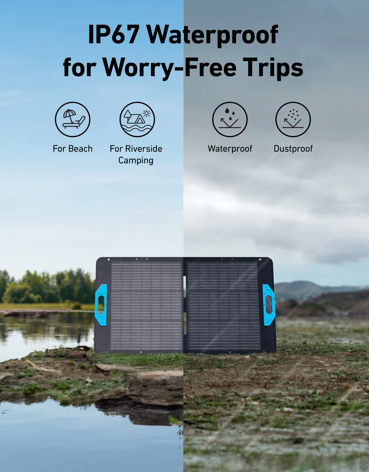
Clouds, fog, and changing atmospheric conditions play large roles in determining how much power a solar panel generates each day. Although panels still produce energy under diffused light, output decreases when sunlight becomes weaker or filtered. Campers who stay aware of local weather forecasts can plan charging routines more effectively by collecting energy during clearer windows. The PS200 panel supports these efforts with strong outdoor durability, including IP67 waterproof protection, which allows the panel to remain deployed during unpredictable weather without the need to pack it away. This resilience enables more consistent charging throughout variable conditions, especially during long trips where weather shifts quickly between sun and moisture.
Temperature and Surface Heat Affect Charging
Campsites located in high-altitude or desert environments experience sharp temperature changes that influence solar performance. Extremely cold mornings slow energy flow temporarily, while intense heat warms panel surfaces and affects efficiency. Campers can manage this by placing the panel in open yet ventilated areas where airflow reduces surface heat. The Anker SOLIX PS200’s slim, unfolded design allows heat to dissipate more easily than bulkier structures, supporting steadier performance during temperature swings. Adjusting angle settings also helps, as steeper angles reduce direct heat buildup during midday hours. Understanding how climate shapes output helps campers decide when to charge devices and how to position the panel for the most stable results.
See also: How Technology Shapes Wireless Communication
Daily Routines and Movement Affect Power Availability
The patterns of a camping day influence how a panel collects energy. When campers move frequently, cooking under shelters or resting in shade, the panel might receive less direct sun if left unattended. Charging succeeds when you match your schedule to the sun’s predictable path. The PS200 supports flexible movement because it folds compactly, allowing campers to reposition it from the tent area to a brighter open field with minimal effort. It’s included extension cables also make it easy to place the panel in the best-lit zone while keeping devices or power stations protected under shade. Routines become smoother once you manage the relationship between daylight and device charging rather than treating energy collection as an afterthought with a camping solar pannel included in your setup.
Conclusion
Campsite conditions shape every aspect of solar panel performance, from the strength of the sunlight to the angle of the ground beneath the panel. Terrain, shading, temperature, and weather determine how much usable energy you collect throughout the day. Campers who understand these influences make better placement decisions and adopt smarter charging routines. A versatile panel such as the Anker SOLIX PS200 Portable Solar Panel supports strong output across varied sites because it adapts to multiple angles, resists harsh weather, and remains easy to reposition as conditions change. By matching your campsite environment to solar-friendly practices, you ensure smoother off-grid energy use and more dependable power during every outdoor trip.