
Solar-Powered Generators for Construction Sites
Solar-powered generators are becoming more useful on construction sites where access to grid electricity is restricted or intermittent. Contractors use them to run tools, lights, and digital equipment without incurring fuel expenditures, noise, or pollutants. These systems store energy in batteries and provide consistent electricity throughout the day. They also assist sites in complying with safety and environmental regulations. Choosing the proper unit necessitates an awareness of power demand, durability, and mobility. This tutorial discusses what solar-powered generators may be used on construction sites, how to choose the proper model, and why they are a dependable solution for temporary and movable labor sites.
What Can Solar Powered Generators Power on Construction Sites?
Powering Electric Tools, Chargers, and Small Machinery
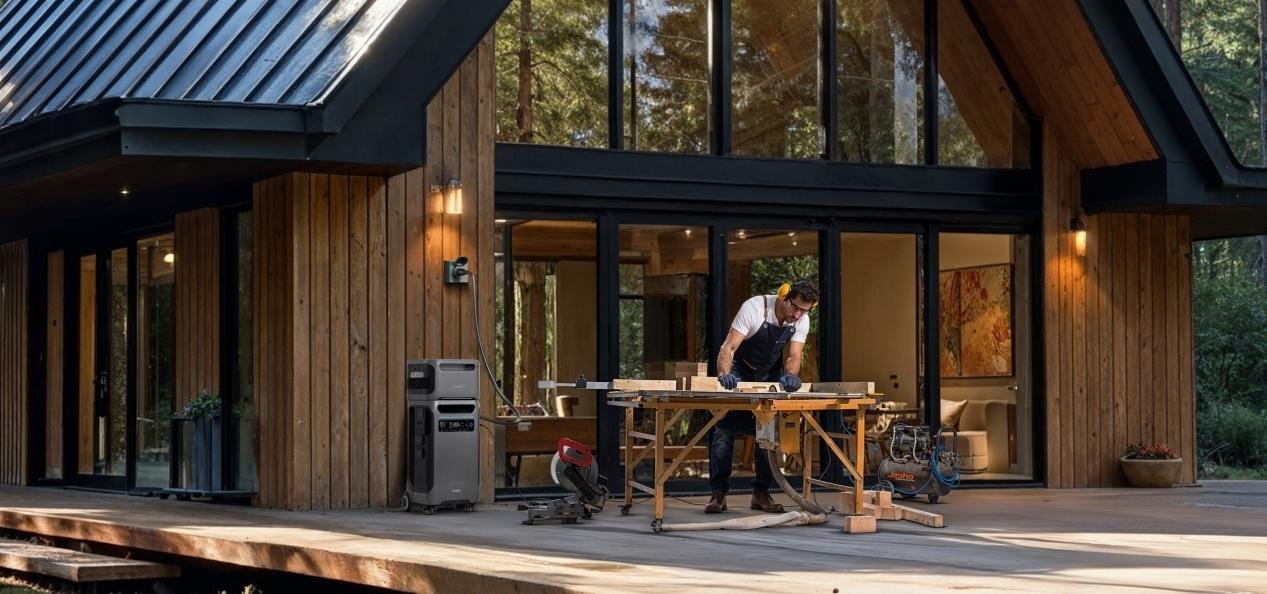
Solar generators can power a wide range of electric instruments used on construction sites, including drills, saws, grinders, and battery chargers. Most handheld equipment consumes between 500 and 1,500 watts of electricity when in use, with more surge power required during starting. A generator with a powerful inverter output can handle these loads without tripping. Crews can recharge tool batteries throughout the day, which reduces downtime and the need for extension cables. Small mixers or compressors may also function if the power ratings are compatible. Teams on active job sites may maintain consistent performance while using clean, renewable energy by rotating tool usage and avoiding simultaneous high-load starts. This flexibility boosts productivity and promotes calmer, safer working conditions for personnel working long shifts in distant areas.
Running Temporary Lighting, Security, and Site Offices
Construction sites frequently rely on temporary lighting, security systems, and site offices to remain operating after dark. Solar-powered generators can efficiently power LED floodlights, string lights, and motion sensors for several hours. LED illumination employs minimal wattage, allowing for longer runtime without rapidly depleting batteries. Security cameras, alarms, and access systems are also power-efficient and operate quietly. Generators in site offices may power printers, monitors, and tiny HVAC units for brief periods of time. Using solar electricity minimizes generator noise, increases worker comfort, and cuts fuel expenses. It also enables nocturnal operations and site monitoring without disturbing the surrounding communities. This configuration facilitates compliance with local rules and increases overall project efficiency for construction teams.
Supporting Tablets, Laptops, and Communication Equipment
Tablets, computers, and communication devices are used in modern construction to plan, report, and coordinate. Solar-powered generators can readily power these low-watt gadgets throughout the day. Tablets and laptops often drain less than 100 watts, providing many hours of usage on a single charge. Radios, routers, and mobile hotspots all rely on solar power. Quiet operation ensures clear communication and reduces distractions on-site. Reliable electricity enables staff to update schedules, check drawings, and transmit reports without delay. Solar generators increase precision, coordination, and production by enabling digital processes, while also powering vital electronics in distant or temporary project sites when grid connectivity is absent or unreliable during busy building stages.
How Do You Choose the Right Solar Generator for Construction Work?
Power Output, Surge Capacity, and Daily Energy Demand
Choosing the best solar generator begins with determining the daily energy requirement on the building site. List all tools, lights, and gadgets, then determine the overall wattage and runtime. Power output must sustain the highest-load tool in use, while surge capacity should manage motor starting surges. A 2,000-watt generator with increased surge headroom is suitable for many modest to medium-sized installations. Battery capacity controls how long the gadget can operate before needing to be recharged. Matching output and capacity reduces overloads and downtime. Accurate planning guarantees that teams can work effectively throughout the day, without unexpected power outages or machine shutdowns, even on the busiest construction days.
See also: How Technology Shapes Wireless Communication
Durability, Weather Protection, and Job Site Safety
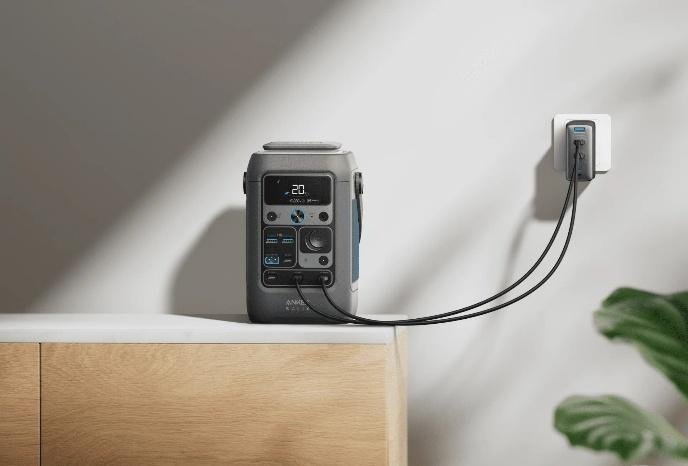
Construction sites expose equipment to dust, moisture, and constant movement, so durability is essential. The Anker SOLIX C300 Solar Generator is built for these rugged conditions, featuring a compact yet robust design with reinforced housing and sealed ports to protect internal components. Its 25dB ultra-quiet operation and 10ms UPS switchover make it ideal for sensitive tools and devices in dynamic work environments. With built-in overload, temperature, and short-circuit protection, the C300 ensures safe, uninterrupted power. Its portability and weather-resistant solar charging options add to its reliability. For demanding job sites, the C300 delivers dependable performance while supporting safety compliance and project efficiency.
Portability, Mobility, and Fast Setup on Active Sites
Active construction sites require power solutions that move easily as work zones change. A solar powered generator with wheels or built-in handles allows crews to reposition power quickly. Compact designs can fit into trucks, trailers, and storage containers. Fast setup saves time, particularly for short-term or mobile projects. Workers can start utilizing electricity right away thanks to the plug-and-play functionality, which eliminates the need for intricate wiring. Lightweight units also decrease strain during lifting or loading. This mobility increases efficiency by delivering electricity closer to the work area, keeping tools running and staff active across the site over lengthy shifts, and shifting building stages on demanding job sites.
Conclusion
Solar-powered generators provide construction sites with a quiet, clean, and versatile power supply for tools, lights, and digital equipment. They save fuel expenses, minimize noise, and promote safer working conditions. Choosing the correct generator entails balancing power production, durability, and portability with everyday task needs. When appropriately selected, these solutions allow personnel to remain productive even when grid power is absent. As construction projects grow more mobile and ecologically conscious, solar generators are a viable alternative to standard fuel units. With correct planning, they provide dependable energy that promotes efficiency, safety, and sustainability on both temporary and active construction sites in modern operations.