Can Solar Panels Support Cooking Gear at Campsites?
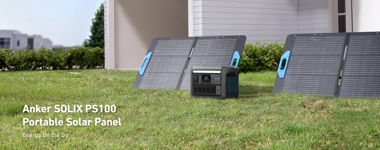
Cooking at campsites has shifted far beyond simple campfires, with many campers relying on electric cookers, portable stoves, kettles, and food-prep gadgets to make outdoor meals easier. As interest grows in renewable off-grid power, many campers wonder whether portable solar panels can support these cooking tools reliably. Solar energy brings clear advantages: silent operation, clean charging, and independence from fuel. But success depends on how solar panels are used, what devices they support, and how campers plan their energy throughout the day. The Anker SOLIX PS100 Portable Solar Panel offers strong efficiency, rugged durability, and practical portability—features that help outdoor cooks manage their power needs safely and smoothly.
How Solar Panels Support Cooking Gear at Campsites
Solar Panels Provide Steady Daytime Charging for Power Stations Used for Cooking
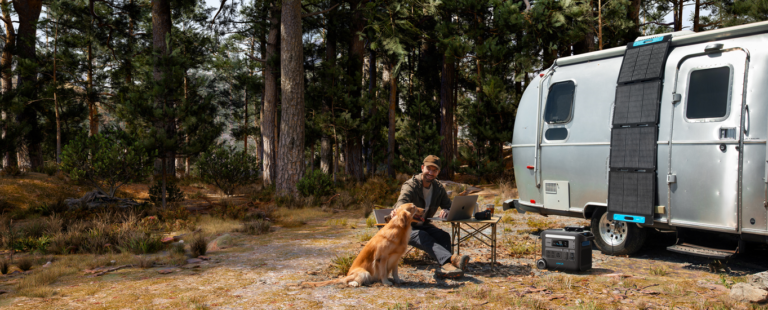
Most electric cooking devices—from kettles to compact induction plates—draw more power than a single portable solar panel can output at one time. However, solar panels play a crucial role by charging a power station during the day, which then powers cooking gear at mealtime. A 100W panel like the PS100 excels at this task because it converts sunlight at up to 23% efficiency, producing usable energy across long daylight windows. Campers unfold the panel at 30°, 40°, 50°, or 80° depending on the sun’s angle, maximizing absorption during every hour. By charging a compatible power station consistently, campers secure the stored energy needed for boiling water, warming food, or powering compact cooking gear at dawn or dusk. This method keeps meal preparation predictable—even when the campsite is far from outlets.
Solar Panels Support Low-Watt Cooking Tools Directly Through Efficient Day Charging
While high-power gear generally requires a storage battery, certain lightweight cooking tools can operate on modest wattage and benefit indirectly from solar support. USB-powered coffee makers, low-watt kettles, and small food-prep devices recharge through power stations or directly through compatible setups. In these cases, a solar panel like the PS100 becomes an ongoing energy replenishment source. Its stable MC4 connection ensures consistent conductivity, preventing drops in charging performance. This reliability is essential for preparing meals or drinks during midday sun. Even if clouds pass or the angle shifts, the panel’s efficient monocrystalline cells maintain steady current output. For minimalist campers who rely on compact cooking accessories, solar charging becomes a daily rhythm that simplifies food preparation.
Solar Panels Enhance Meal Planning by Reducing Dependence on Fuel
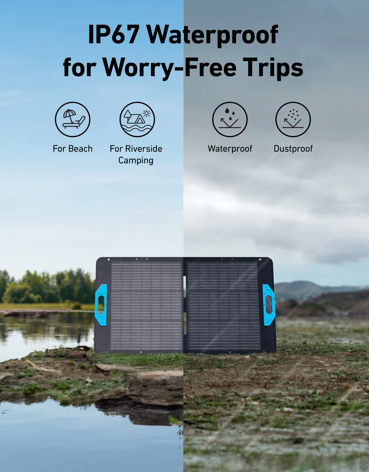
Fuel shortages, fire restrictions, or wet weather can make cooking with gas or firewood difficult. Solar-supported cooking introduces stability because it allows campers to shift part of their food-prep energy toward electricity. The PS100’s rugged ETFE-coated surface and IP67 waterproof rating ensure it continues working even in harsh conditions. This resilience becomes extremely valuable when external fuel sources are compromised. As long as daylight is available, campers maintain access to energy for boiling water, powering coolers, or running compact electric cookware. This flexibility makes meal planning more reliable and reduces the pressure to carry heavy fuel canisters or rely on fragile campfires in unpredictable environments.
Practical Solar Charging Habits for Supporting Cooking Gear
Charging Gear Early in the Day Maximizes Energy for Meal Preparation
Campers benefit greatly from starting solar collection early, especially when cooking gear requires high energy reserves. Morning sunlight may be softer, but long exposure creates a strong foundation of stored energy. Setting up the PS100 shortly after sunrise allows it to work steadily while campers explore trails or prepare breakfast. Its portable fold-and-go design makes it easy to reposition as the sun moves. By midday, a power station can store enough energy for heating meals, powering small appliances, or operating campsite tools. Beginning early protects against cloudy afternoon conditions and ensures cooking remains comfortable and stress-free.
Midday Peaks Offer the Most Reliable Charging Windows for Larger Cooking Tasks
Midday sunlight produces the strongest wattage output, making this the ideal time for topping up energy reserves. Campers who rely on a portable power station for cooking should use this window strategically. With up to 100W output and high sunlight-trapping efficiency, the panel solar camping PS100 pushes energy into storage at a faster rate during peak sun. Aligning the panel at 50° improves direct exposure, boosting real-time efficiency. This practice ensures that by the time dinner arrives, the stored energy is ready. Even if the campsite expects cloudy weather later, strategic midday charging secures enough power to complete essential cooking with ease and safety.
See also: How Technology Shapes Wireless Communication
Late Afternoon Charging Ensures Enough Reserve for Evening Food Prep
Evening meals often require the most consistent power—whether boiling water, preparing soups, powering portable coolers, or cleaning up with electric tools. By extending charging into the late afternoon, campers ensure they have enough stored energy before darkness falls. Adjusting the PS100 to an 80° angle helps it capture low-angle sunlight during the final hours of the day. The panel’s long-lasting ETFE surface resists scratches and debris, maintaining efficiency even when laid on rough ground or rocky terrain. This final energy boost reinforces a reliable evening cooking routine, helping campers prepare food comfortably without rationing power.
Conclusion
Solar panels can effectively support cooking gear at campsites when campers combine thoughtful energy planning with efficient charging habits. While many electric cooking devices require a power station to operate, a portable solar panel replenishes that stored energy throughout the day, ensuring reliable mealtime performance. The Anker SOLIX PS100 Portable Solar Panel enhances this process with its 23% conversion efficiency, adjustable angles, IP67 waterproof build, and rugged ETFE coating. By collecting sunlight early, maximizing midday power, and extending charging into late afternoon, campers maintain uninterrupted access to the energy needed for safe, enjoyable food preparation. With a well-managed system, outdoor cooking becomes more flexible and less dependent on fuel, strengthening the overall convenience of a panel solar camping setup.