
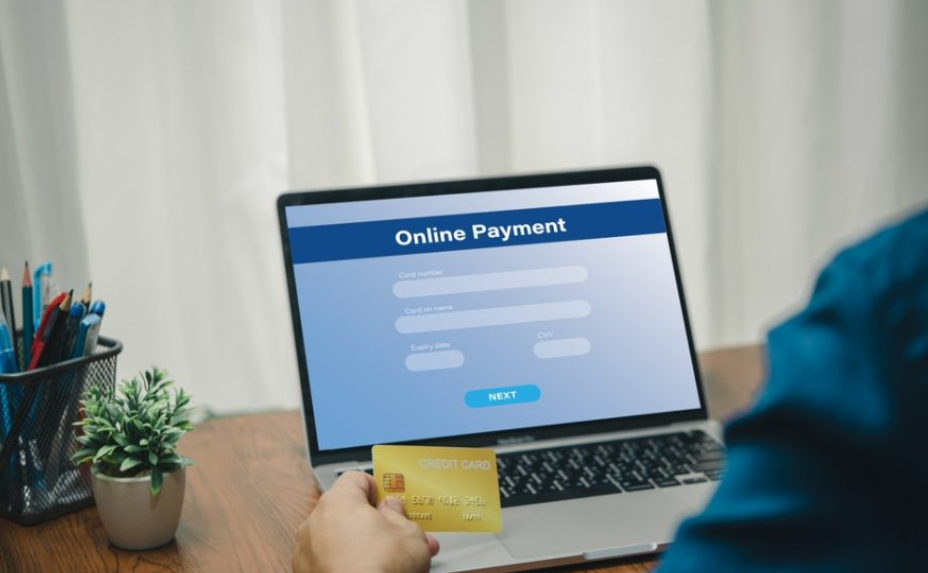
How Technology Secures Online Transactions
The security of online transactions is fundamentally reliant on advanced technology. Encryption safeguards sensitive data, while secure payment gateways streamline transaction processing. Additionally, biometric authentication methods add layers of identity verification. Emerging technologies, including machine learning, play a critical role in detecting potential fraud. Understanding these components reveals the complexities of digital commerce security and prompts further exploration into their collective impact on consumer confidence and trust.
The Role of Encryption in Protecting Sensitive Data
Encryption serves as a critical mechanism in safeguarding sensitive data during online transactions.
By employing advanced encryption algorithms, organizations ensure data integrity and confidentiality, protecting against unauthorized access. This process transforms data into an unreadable format, which can only be deciphered by authorized users.
Consequently, encryption not only fortifies security but also fosters trust in digital interactions, essential for a society valuing personal freedom.
Secure Payment Gateways: Ensuring Safe Transactions
A robust payment gateway is essential for ensuring safe online transactions, acting as a bridge between consumers and merchants.
It facilitates secure payment processing by encrypting transaction data and performing real-time transaction verification. This layered security approach minimizes fraud risks, instilling confidence in users.
Biometric Authentication: A New Frontier in Security
As digital transactions increasingly dominate commerce, biometric authentication emerges as a pivotal innovation in enhancing security measures.
Techniques such as facial recognition and fingerprint scanning offer robust methods for identity verification, reducing the risk of fraud.
Emerging Technologies in Fraud Detection and Prevention
Harnessing advanced algorithms and machine learning, emerging technologies are revolutionizing fraud detection and prevention in online transactions.
By employing behavioral analytics, these systems analyze user patterns and identify anomalies in real time, significantly reducing the risk of fraudulent activities.
This proactive approach not only enhances security but also safeguards user autonomy, allowing individuals to engage freely in digital commerce with greater confidence.
Conclusion
In the realm of online transactions, technology serves as a robust shield, safeguarding sensitive data through advanced encryption and secure payment gateways. As biometric authentication gains traction and emerging technologies enhance fraud detection, the landscape of digital commerce becomes increasingly secure. In a world where security breaches can happen in the blink of an eye, leveraging these technological advancements is not just prudent; it’s essential. Ultimately, staying ahead of the curve ensures that users can transact with confidence and peace of mind.